

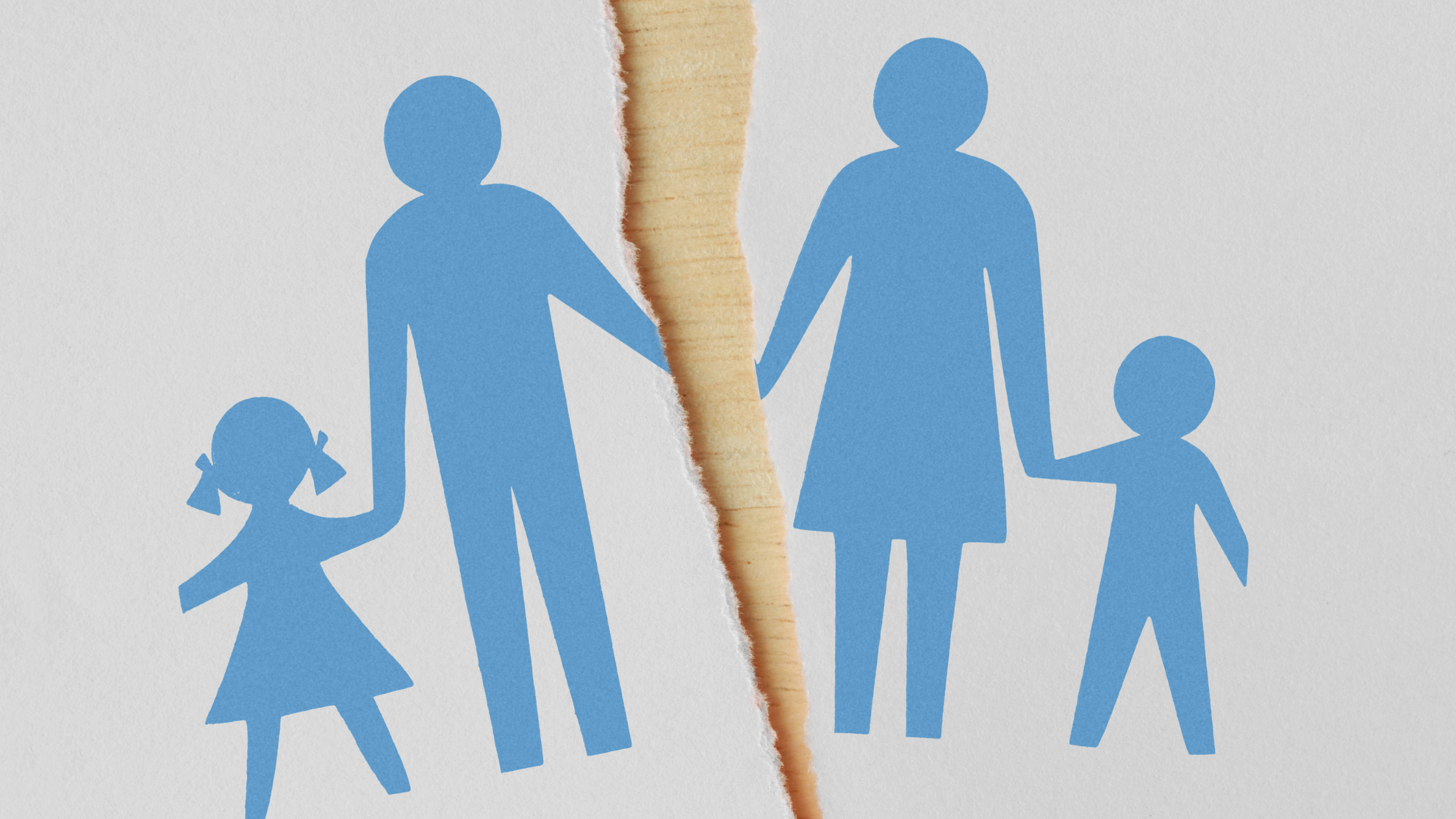
Going through a divorce with children - of any age -can be difficult, challenging, and heartbreaking. While this decision is life-changing for you and your ex, it is also a big change for your kids. However, depending on the age of your kids, they may be able to process your divorce differently. Little kids may not have the full concept of what is happening; while older kids may grasp this change more fully and experience their own level of grief and sadness. Below, we're covering everything you need to know as you navigate this time and how you can help your kids process these changes.
Related Read: Why Every Parent Needs a Will: A Guide to Securing Your Child’s Future
Processing a divorce is challenging for children, regardless of their age. However, age does bring on complexity, especially when dealing with older kids who may understand more about what divorce is and/or may feel the loss. Additionally, children's reactions may vary based on temperament, family dynamics, and support systems.
When you and your ex finally made the choice to divorce, you have to figure out how to talk to your kids about it without shame or blame. While you have your own issues with your ex, you do want to speak clearly about the situation and not make them pick sides. Here's more about how to have a blame-free conversation around your divorce:
This is an exciting age of development and growth for your child. Since they are so young, there isn't really a complex language you have to use, or maybe any at all. The main thing with this age is to maintain their consistent routines. Predictable feeding times, sleep schedules, and playtime is super important during this time for your child's development as well as to create a sense of security. During this time, it is also important to have a clear plan for coordination between households and to have a consistent schedule for both you and them to help with this transition.
Older kids in this age group (around 3), you can use simple language for them to understand if they are going to mommy's house or daddy's house. However, you don't need to get into complicated details or explanations since they don't have that level of understanding yet. You may want to emphasize having "special things" such as toys, books, etc at each house to maintain balance and familiarity in each home.
Additionally, it's important to provide reassurance and physical comfort such as hugs, holding, and rocking as well as to be aware if you notice any emotional changes.
At this age, they are starting to understand and process more about themselves and their world. When speaking about a divorce, it's important to be consistent in your messaging, which might include repetition and age-specific examples. You might include specific toys such as a lovely for comfort, activities, and books to help preschoolers process their feelings as well as include elements of play for them to better understand.
During this age, you also want to provide reassurance that this isn't their fault and look out for emotional shifts and signs that they might be blaming themselves.
For this age -and all ages - it is important to maintain their schedules. This includes maintaining academic routines and extracurriculars during family transition. You might also have to communicate with teachers and coaches about the family situation. Additionally, it's important to be consistent and clear with them with any new living arrangements, school changes, and holiday plans. Give them enough time to process any new changes and be open to questions and feedback as new changes arise.
There is a lot going on for your child during these ages. Adding a divorce to the mix can add a new level of anxiety to a child, which is why it is so important to communicate openly and honestly. For this age, it's important to respect their maturity as you provide safe spaces for honest discussion. As kids are experiencing puberty and emotional shifts, it's important to look out for signs of stress or anger. This could be present in school and/or at home. As you talk about the divorce, they may need to speak to a therapist for professional help.
It is important to also encourage positive outlets such as journaling, sports, arts, or peer support as well as for them to have healthy friendships during family transition. It is also important that they are clear on the days they are with your ex as well as what holidays, school breaks, and school pick-ups will look like going-forward.
While we all want things to be as "normal" as possible, divorce can complicate adolescent development. In teens, this might surface as a range of emotions such as anger, withdrawal, anxiety, depression, and more. It is important to allow them to feel all the things as they process and adapt as well as to provide them with resources and outlets for positive stress management. As kids get older, they may have a longer grieving process (similar to other losses) that will take time and emotional support. When you are with them, focus on quality time with your teen as well as discussion and communication.
Just like at any age, it is important for them to understand the new routine as well as to research support for them such as therapists, support groups, and school counselors. Books around divorce can also be helpful to them as well as always providing a forum for them to speak honestly at home.
Regardless of their age, it is important to be prepared. Here are some tools and resources that can help as you talk to them about your divorce and/or separation:
While going through a divorce and/or separation is challenging, there is a light at the end of the tunnel. With preparation, time, and loving support, children can continue to thrive. While there is no perfect science to this, it's important to be positive, open to discussion, and organized. Over time, you and your kids will adapt and discover a new normal - together.
Create a consistent transition routine with familiar comfort items and allow time for adjustment at each transition. Regular schedules and similar household rules provide security during these changes.
Seek professional support if your child shows persistent behavioral changes, declining school performance, withdrawal from activities, sleep disturbances, or expresses thoughts of self-harm.
Use a dedicated co-parenting finance app like Blended to track shared expenses and create transparent records, keeping financial discussions completely separate from interactions with your child.
Wait until your relationship is stable and serious, typically at least 6-12 months, then introduce gradually with age-appropriate expectations and without pressuring your child to form an immediate bond.

Track, Share, Settle Co-Parenting Expenses; Learn more at blended.app